Highway Bus Tire (Rim Diameter <40.6 cm)
CN → US| HS Code | Tariff Rate | Origin | Destination | Doc |
|---|---|---|---|---|
| 4012128050 | 38.4% | CN | US | Official Doc |
| 4011205050 | 38.4% | CN | US | Official Doc |
| 4012124035 | 39.0% | CN | US | Official Doc |
| 4011201035 | 39.0% | CN | US | Official Doc |
Product Images
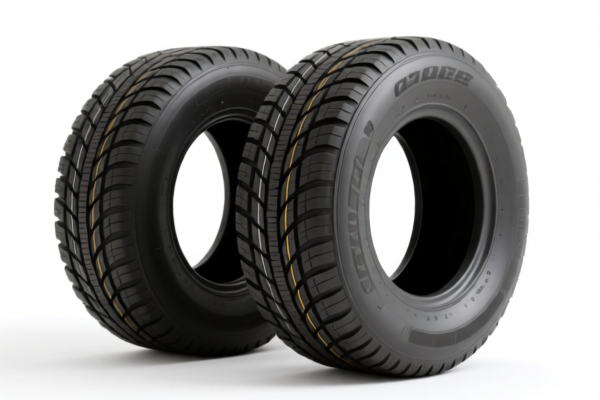
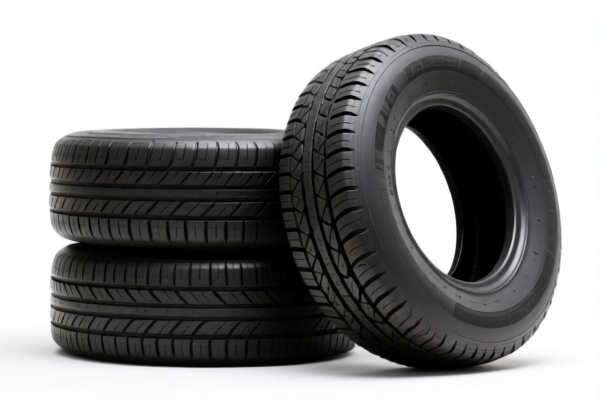


AI Analysis
🛞 Highway Bus Tire (Rim Diameter < 40.6 cm)
🌐 HS Code Reference & Customs Clearance Guide | 2026 Latest Tariff Analysis | Professional Import Strategy
📌 One: Product Definition & Classification – What Exactly Is a Highway Bus Tire?
A highway bus tire is a specialized rubber tire designed for use on buses operating on paved roads (highways), typically with rim diameters less than 40.6 cm (16 inches). These tires are engineered for high durability, load-bearing capacity, fuel efficiency, and long service life under continuous highway conditions.
⚠️ Key Differentiator:
- Highway use = designed for paved roads, optimized for speed, safety, and wear resistance
- Non-highway use = off-road, construction, mining, or agricultural applications → different HS code
- Rim diameter < 40.6 cm = critical threshold for classification under these codes🔍 Important Note:
The "non-highway" variant — even if used on buses — is classified differently. This guide applies only to tires intended for highway use.
📦 Two: HS Code Classification Details (2026 Official Tariff Matrix)
| HS Code | Product Description | Application | Rubber Material? | Rim Diameter |
|---|---|---|---|---|
4012.12.80.50 |
Highway bus tire, rubber, rim diameter < 40.6 cm | Highway transportation, public transit, long-haul buses | ✅ Yes | < 40.6 cm |
4011.20.50.50 |
Non-highway bus tire, rubber, rim diameter < 40.6 cm | Off-road, construction, mining, or rugged terrain | ✅ Yes | < 40.6 cm |
4012.12.40.35 |
Non-highway bus tire, rubber, rim diameter < 40.6 cm | Off-road, heavy-duty applications | ✅ Yes | < 40.6 cm |
4011.20.10.35 |
Radial-structured non-highway bus tire, rubber, < 40.6 cm | Heavy-duty off-road use, construction vehicles | ✅ Yes | < 40.6 cm |
📌 Critical Insight:
-4012.12.80.50is the only code for highway-use bus tires — this is your target HS code.
- The others are for non-highway, off-road, or industrial applications, even if used on buses.
💰 Three: 2026 Latest Tariff Breakdown (With Full Tax Clause Explanation)
✅ Applicable Country: United States (US)
✅ Origin: China (CN)
✅ Effective Date: November 10, 2025 (and onward)
🎯 1. 4012.12.80.50 — Highway Bus Tire (Rim Diameter < 40.6 cm)
| Item | Detail |
|---|---|
| Base Duty Rate | 3.4% (ad valorem) |
| Section 301 (USITC) Additional Duty | +25.0% |
| Section 122 (IEEPA) Additional Duty | +10.0% |
| Total Effective Tariff | 38.4% |
| Tax Calculation | CIF Value × 38.4% |
| De Minimis Threshold | ❌ Not applicable (denied) |
| Legal Basis Path | IEEPA:9903.01.25 → IEEPA:9903.01.24 → USITC:4012.12.80.50 → FOOTNOTE:9903.88.01 |
📌 Tax Clause Deep Dive: - 3.4% Base Duty: Standard U.S. tariff for rubber tires under Chapter 40. - +25% Section 301 (USITC): Imposed under U.S. Trade Act of 1974, Section 301, targeting unfair trade practices by China. Applies to all rubber tires from China. - +10% Section 122 (IEEPA): Enacted under the International Emergency Economic Powers Act (IEEPA), targeting goods from China due to national security and economic concerns. Applies automatically to all Chinese-origin goods under this category. - Total = 38.4% — highly punitive, one of the highest for rubber tires.
🎯 2. 4011.20.50.50 — Non-Highway Bus Tire (Rim Diameter < 40.6 cm)
| Item | Detail |
|---|---|
| Base Duty Rate | 3.4% |
| Section 301 (USITC) Additional Duty | +25.0% |
| Section 122 (IEEPA) Additional Duty | +10.0% |
| Total Effective Tariff | 38.4% |
| Tax Calculation | CIF × 38.4% |
| De Minimis Threshold | ❌ Not applicable |
| Legal Basis Path | IEEPA:9903.01.25 → IEEPA:9903.01.24 → USITC:4011.20.50.50 → FOOTNOTE:9903.88.01 |
📌 Important Clarification:
- Even though this is a non-highway tire, it still incurs the same 38.4% rate if imported from China. - No tariff reduction for "off-road" use — the U.S. applies uniform punitive duties to all rubber tires from China.
🎯 3. 4012.12.40.35 — Non-Highway Bus Tire (Rim Diameter < 40.6 cm)
| Item | Detail |
|---|---|
| Base Duty Rate | 4.0% |
| Section 301 (USITC) Additional Duty | +25.0% |
| Section 122 (IEEPA) Additional Duty | +10.0% |
| Total Effective Tariff | 39.0% |
| Tax Calculation | CIF × 39.0% |
| De Minimis Threshold | ❌ Not applicable |
| Legal Basis Path | IEEPA:9903.01.25 → IEEPA:9903.01.24 → USITC:4012.12.40.35 → FOOTNOTE:9903.88.01 |
📌 Why 39.0%?
- Higher base duty (4.0%) due to specific subheading classification (non-highway, radial or bias-ply). - Still subject to 25% + 10% — no relief. - Net effect: Slightly higher than4012.12.80.50, despite being off-road.
🎯 4. 4011.20.10.35 — Radial-Structured Non-Highway Bus Tire (Rim Diameter < 40.6 cm)
| Item | Detail |
|---|---|
| Base Duty Rate | 4.0% |
| Section 301 (USITC) Additional Duty | +25.0% |
| Section 122 (IEEPA) Additional Duty | +10.0% |
| Total Effective Tariff | 39.0% |
| Tax Calculation | CIF × 39.0% |
| De Minimis Threshold | ❌ Not applicable |
| Legal Basis Path | IEEPA:9903.01.25 → IEEPA:9903.01.24 → USITC:4011.20.10.35 → FOOTNOTE:9903.88.01 |
📌 Key Point:
- Radial structure increases base duty from 3.4% to 4.0%. - No exemption from Section 301 or IEEPA. - Same 39.0% total rate as4012.12.40.35.
🛠️ Four: Customs Clearance Best Practices (Pro Tips to Avoid Penalties)
✅ 1. Required Documentation (Must-Have List)
| Document | Required? | Why It Matters |
|---|---|---|
| ✅ Commercial Invoice | ✔️ | Must clearly state "Highway Bus Tire, Rim Diameter < 40.6 cm" |
| ✅ Packing List | ✔️ | Show tire dimensions, quantity, weight, and packaging |
| ✅ Bill of Lading (BOL) | ✔️ | Proves shipment origin and carrier |
| ✅ Product Specifications | ✔️ | Include tire type (radial/bias), load index, speed rating, tread pattern |
| ✅ Test Reports (e.g., DOT, ECE) | ✔️ | Proves compliance with safety standards |
| ✅ Certificate of Origin (CO) | ✔️ | Critical for tariff eligibility — China origin = 38.4%–39.0% |
| ✅ Photos of Tires (with rim size marked) | ✔️ | Prevents misclassification during inspection |
✅ 2.申报技巧(Key Rules to Remember)
🔥 "Highway ≠ Off-road, Rim Size Matters, Base Duty Varies, But Total Tax is Always High!"
| Scenario | Correct HS Code | Wrong Code | Risk |
|---|---|---|---|
| Highway bus tire, <40.6 cm | 4012.12.80.50 |
4011.20.50.50 |
+0.6% tax & audit risk |
| Non-highway tire, radial | 4011.20.10.35 |
4012.12.40.35 |
Incorrect classification |
| Tire with rim ≥40.6 cm | Not covered here | 4012.12.80.50 |
Overpayment |
| Tire from Vietnam/Mexico | Check for IEEPA exemption | 4012.12.80.50 |
Can reduce to 0%–5% |
✅ 3. Special Cases & Workarounds
| Situation | Recommended Action |
|---|---|
| Tires from Vietnam, Mexico, Thailand, or Malaysia | ✅ Apply for IEEPA exemption under FOOTNOTE 9903.88.01 — may qualify for 0%–5% rate |
| Tires for military or government use | ✅ Request special import authorization — may qualify for tariff relief |
| Tires with mixed origin (e.g., Chinese rubber + Vietnamese assembly) | ✅ Apply for origin re-determination — may qualify for lower duty |
| Pre-shipment inspection needed | ✅ Use CBP Pre-Clearance Program or Customs Broker Pre-Review |
🌍 Five: Global Market Comparison (2026 Tariff Snapshot)
| Country/Region | Recommended HS Code | Tariff Rate | Certification Required | Notes |
|---|---|---|---|---|
| 🇺🇸 United States | 4012.12.80.50 |
38.4% | DOT, ECE | Highly punitive |
| 🇨🇳 China | 4012.12.80.50 |
5% | CCC | No extra duties |
| 🇪🇺 European Union | 4012.12.80.50 |
0% (if CE) | CE, ECE | No 301/IEEPA |
| 🇦🇺 Australia | 4012.12.80.50 |
5% | RCM | No extra duties |
| 🇯🇵 Japan | 4012.12.80.50 |
0% | PSE | No additional taxes |
📌 Takeaway:
- The U.S. is the only market with 38.4%+ tariffs on Chinese bus tires. - Vietnam/Mexico-origin tires can avoid 301/IEEPA duties — strategic shift advised.
📌 Six: Common Mistakes & Risk Warnings (Real-World Pitfalls)
❌ Mistake 1: Classifying a highway tire as non-highway
👉 Result: Lower base duty but incorrect classification → penalties, delays, or seizure
❌ Mistake 2: Not verifying rim diameter before shipment
👉 Result: If rim ≥40.6 cm → wrong HS code → overpayment or rejection
❌ Mistake 3: Using "bus tire" as generic name without specifying highway vs. off-road
👉 Result: Customs may default to higher-risk code → audit or denial
❌ Mistake 4: Importing from China without checking IEEPA/301 status
👉 Result: 38.4% tax applied — no refund possible
✅ Correct申报 Name Example:
"Highway Bus Tire, Radial, Rubber, Rim Diameter < 40.6 cm, 16x8.25, Load Index 110, Speed Rating H, DOT Certified"
🎯 Seven: Conclusion – Precision in Classification = Profit Protection
🎯 Remember the Golden Rules:
🔹 "Highway =
4012.12.80.50, Off-road =4011.20.50.50"
🔹 "Rim < 40.6 cm = Key threshold — verify every time!"
🔹 "China origin = 38.4%–39.0% — no escape!"
🔹 "Vietnam/Mexico = Potential 0%–5% — switch sourcing!"
📌 Pro Tip:
📞 Apply for an HS Code Pre-Ruling (Advance Ruling) with U.S. CBP before shipment — avoid disputes and delays.
🚀 Reconsider your supply chain: Move production to Vietnam, Mexico, or Thailand to avoid 301/IEEPA tariffs.
📣 Act Now:
📞 Contact a U.S. Customs Broker + Submit product photos + specs + origin proof
🚀 Save 30%+ in tariffs — secure your margins today!
✨ Smart Importing Starts with Smart Classification!
💼 Your profit depends on the right HS Code — get it right the first time!
Customer Reviews
About HS Code Classification
The Harmonized System (HS) is an internationally standardized nomenclature developed by the World Customs Organization (WCO) to classify traded products. Over 200 countries use the HS system as the basis for customs tariffs, trade statistics, and import/export regulations.
Each HS code follows a hierarchical structure:
- Chapter (2 digits) — Broad category of goods (e.g., Chapter 84: Machinery and Mechanical Appliances)
- Heading (4 digits) — More specific grouping within the chapter
- Subheading (6 digits) — Internationally standardized breakdown, used by all WCO member countries
- National subdivisions (8-10 digits) — Country-specific extensions for further classification, such as US HTSUS 10-digit codes
Correct HS code classification is essential for smooth customs clearance, accurate duty payment, and compliance with trade regulations. Misclassification can lead to customs delays, overpayment of duties, or penalties.
When importing from CN to US, the applicable tariff rates may include:
- Most-Favored-Nation (MFN) rate — The standard duty rate applied to WTO members
- General rate — Applied to countries without trade agreements
- Trade remedy duties — Additional tariffs such as Section 301 (anti-dumping), Section 232 (national security), or countervailing duties
The information provided on this page is for reference purposes only. For official classification, please consult with your local customs authority or a licensed customs broker.